Best Food Markets in Lima: Surquillo vs Central Market (2026 Local Guide)
Updated Date:
Quick summary
Best for first-timers: Surquillo + a market-first cooking class — easiest logistics from Miraflores, less chaos, and you actually learn what to buy (then cook it).
Best for “authentic”: Mercado Central in downtown Lima is massive, historic and intense – perfect for travelers who want the “real” Lima market experience alongside a historic center tour.
Timing matters: Both markets are busiest and freshest early morning (6:30–10 AM), with Surquillo staying comfortable later in the day while Central gets more hectic.
Safety and access: Surquillo close but still involves busy crossings and confusing entrances for first-timers (best done hosted). Central Market requires more awareness and is best combined with a guided visit such as our free Foodie Tour.
Connect to experiences: Both markets link naturally to cooking classes, walking food tours and deeper exploration of Lima’s culinary culture.
If you only do one market in Lima: do Surquillo with a market tour and cooking class. You get the same ingredients, less chaos, and you leave with skills + a full meal (not just photos).
Why Lima’s food markets matter (and why we love them)
Peru’s food scene didn’t start in the restaurants on Instagram. It started in markets like these, where vendors have been selling purple corn, dozens of potato varieties and fresh ceviche for generations.
If you want to understand why Lima’s gastronomy is now world-famous, you need to see where locals shop, taste things you’ve never heard of and talk to the people who actually know what ají amarillo should smell like.
Markets are also one of the best ways to practice your Spanish, get travel tips from locals and see a side of the city that isn’t polished for tourists. Yes, they’re busy. Yes, you might feel a little overwhelmed at first. But that’s also why they’re worth it.
Mercado de Surquillo: the practical choice for most travelers
Surquillo Market is the kind of place Limeños actually shop: big fruit piles, fresh herbs, ajíes in every color, seafood counters, and little juice stands that keep the whole place moving. It’s not curated or polished — and that’s exactly why it’s worth it.
If you want a market that feels genuinely local (but still close to Miraflores), Surquillo is the best pick.
What you’ll find inside
Surquillo is smaller and cleaner than Central Market, but still gives you the full market experience without feeling totally overwhelming:
Fresh produce: Seasonal fruits like lucuma, chirimoya, granadilla and at least 10 types of potatoes.
Seafood section: Fresh fish, octopus, scallops and the basics for ceviche, often with vendors who’ll explain what’s good that day.
Butchers and poultry: Whole chickens, cuts of beef and pork, plus some stalls selling prepared rotisserie chicken to take away.
Spices and dried goods: Big bags of quinoa, dried corn for cancha, different types of ají (Peruvian chili peppers) and coca leaves.
Street food and juices: Small stalls selling fresh-squeezed juices, emoliente (a warm herbal drink), tamales and sometimes anticuchos or ceviche if you’re brave enough to eat market food for breakfast.
The aisles are wide enough that you don’t feel crushed, and most vendors are used to curious travelers taking photos or asking questions in broken Spanish.
Location and how to get there safely
Surquillo is close to Miraflores on the map — but the last stretch is where first-timers often get annoyed. You’re crossing major avenues, traffic moves fast, and the market entrances aren’t always obvious if you don’t know what you’re looking for.
From Miraflores:
Walk (if confident): It’s doable in daylight, but it’s not a scenic Miraflores stroll. The vibe shifts quickly once you leave the tourist grid, and the crossings can feel hectic.
Best option: combine with a cooking class: If you want Surquillo without the navigation stress, Luchitos Cooking Class is hands-down the smoothest way to do it. You can start with a Surquillo market visit, shop with someone who knows the best stalls and what to buy at local prices, and then cook the dishes right after — without having to figure out routes, entrances, or ingredient names on the fly.
Safety note: Go in the morning or early afternoon, keep your phone tucked away between photos, and don’t wander the surrounding streets late at night. Surquillo is a working neighborhood market — totally doable, just not a “tourist bubble.”
Best time to visit
Early Morning (6:30–9 AM): Best for locals. You’ll find peak freshness, especially for seafood and produce. It’s busy but organized, with locals doing their daily shopping.
Midday (10 AM–1 PM): Best for tourists. The markets are fully stocked, lively, and ideal for exploring. Vendors are active, and the atmosphere is vibrant.
Afternoon: Some stalls begin packing up or running low on popular items. If you’re only interested in dry goods or spices, it’s fine, but the energy drops compared to the morning and midday.
Why Surquillo works for first-timers
If you’ve never been to a Latin American market before, Surquillo is forgiving:
Smaller size = less chance of getting lost or feeling overwhelmed.
Close to Miraflores = easy to add to your itinerary without a huge detour.
Cleaner and more organized than Central, so it feels approachable even if you’re a little nervous about markets in general.
Want the easiest Surquillo visit? Do it as part of Luchito’s Cooking Class (market + cooking in one morning).
Mercado Central: best as part of a historic center day
What you’ll find inside
Central Market is massive compared to Surquillo. It’s older, louder, more crowded and feels like you’ve stepped into the real working heart of Lima.
Produce everywhere: Mountains of fruit and vegetables, with vendors shouting prices and selling in bulk to restaurants and families.
Butchers and whole animals: You’ll see things you might not be used to, like whole pigs, cow heads and organ meats that are staples in Peruvian cooking.
Seafood that just arrived: Huge slabs of fish, fresh shrimp, octopus and all the ingredients for ceviche, often laid out on ice in the open air.
Dried goods and bulk spices: Walk through aisles selling 20kg sacks of rice, dried beans, huge piles of ají panca and ají amarillo, plus weird and wonderful dried fish and herbs.
Street food chaos: Tiny comedores (small eateries) tucked between stalls selling ceviche, fried fish, chicharrón, juices and emoliente. Some of it is amazing; some of it is risky if you have a sensitive stomach.
The energy here is completely different. It’s not “curated” or clean. Floors are wet from melted ice and fish water, vendors are haggling loudly in Spanish, and it’s easy to turn a corner and have no idea which aisle you’re in.
But that’s also the point. This is where Lima’s grandmothers have shopped for 50 years. This is where chefs from fancy restaurants still come at 6 AM to pick the best fish. It’s chaotic, yes, but it’s real.
Location and how to get there safely
Mercado Central is in downtown Lima, near the historic center. This means bigger time-and-logistics commitment from Miraflores, so it’s best when you’re already doing the historic center..
From Miraflores:
Taxi or app (if confident): Usually a 25–35 minutes depending on traffic. Always use an app or book through your hotel; don’t take random street taxis in this area.
Best option: combine with a walking tour: The easiest and safest way to visit Central Market is on our free Foodie Tour, which departs at 9:30 AM and includes the market, Chinatown and street food tastings with a local guide who knows the vendors and the best safe routes through the area.
Safety reality check: The historic center is safe during the day when it’s busy, but it’s also more chaotic than Miraflores. Streets around the market can feel intense with vendors calling out, people everywhere and motorbikes weaving through.
Tips for visiting alone:
Go in the morning when it’s busiest and brighter.
Keep bags zipped and in front of you.
Don’t walk around with your phone out trying to navigate; know your route before you arrive or go with a guide.
If you’re a woman traveling solo and it’s your first time in Lima, seriously consider doing this market on a tour rather than alone – not because it’s dangerous, but because having a local guide makes it more enjoyable and you’ll learn way more.
Best time to visit
Very Early Morning (6–8 AM): This is when the market is in full swing with seafood just brought in and produce at its freshest. It’s perfect if you’re a local or if you’re joining a cooking class early on!
Mid-morning (8:30–11:00 AM): The best time for tourists! The market is still vibrant, but not too crowded, making it great for walking through or joining a Foodie Tour without the rush.
Afternoon: Things start winding down. Stalls get messier, and it gets hotter. It’s still okay if you’re looking for dry goods, but the atmosphere isn’t as pleasant.
Why Central Market is worth the effort
Central Market isn’t for everyone, and that’s fine. But if you want to see the side of Lima that isn’t polished for tourists, this is it:
You’ll taste fruits and street food you’d never find in Miraflores.
You’ll see the ingredients that make Peruvian food special, explained by people who’ve sold them their whole lives.
You’ll understand why Lima’s food culture is so deep – because it’s built on markets like this, not trendy restaurants.
If you’re doing it solo, go early, stay aware and don’t be afraid to leave if it feels like too much. But if you’re with a guide or a small group, it’s one of the most memorable parts of visiting Lima.
Connecting your market visit to Lima Walking Tour experiences
One of the reasons we love talking about markets is that they fit naturally into deeper ways of exploring Lima. Here’s how:
Our Foodie Tour departs at 9:30 AM from Miraflores and takes you through Central Market, Chinatown and some of the best street food spots in downtown Lima. You’ll:
Walk through the market with a local guide who knows the best vendors.
Taste things like fresh fruit, street anticuchos, picarones and Chinatown snacks.
Learn about the ingredients, the culture and the stories behind the food.
Feel safe and confident in an area that can feel chaotic if you’re alone.
It’s the easiest way to experience Central Market without stress, and you’ll leave with a much better sense of what makes Lima’s food special.
Add a cooking class after your market visit
Several cooking schools and local chefs offer classes that start with a market tour:
You’ll go to Surquillo or Central Market in the morning.
Learn what to look for when buying fish for ceviche, which peppers to use and how to pick ripe fruit.
Head back to a kitchen and cook a full Peruvian meal with your instructor.
These classes are popular with solo travelers and small groups because you meet other people, learn practical skills and get to eat everything you make. We’re happy to recommend trusted options such as Luchitos Cooking Class for a market tour and cooking experience.
Practical tips for visiting Lima’s food markets
What to bring (and what to leave behind)
Bring:
A small backpack or cross-body bag that zips closed.
Cash in small bills (S/10, S/20) – most vendors don’t take cards.
A reusable bag if you’re planning to buy fruit, spices or snacks.
Basic Spanish phrases, even if it’s just “¿Cuánto cuesta?” (How much?) and “Gracias.”
Your phone for photos, but keep it in your pocket when not using it.
Leave behind:
Expensive jewelry, watches or anything flashy.
Large backpacks or suitcases – you’re navigating tight aisles.
Expectations of perfect hygiene – it’s a market, not a supermarket.
How to buy (and haggle, gently)
In both markets, prices are often flexible, especially if you’re buying more than one item. Here’s how to do it respectfully:
Ask the price first: “¿Cuánto cuesta?”
If you’re buying multiple things, ask: “¿Cuánto por todo?” (How much for everything?)
You can offer slightly less, but don’t be aggressive – these are small family businesses, not tourist traps.
Food safety: what to eat and what to skip
Street food and market food in Lima can be amazing, but if it’s your first few days in the country, your stomach might not be ready:
Generally safe:
Fresh fruit you peel yourself (oranges, mandarins, bananas).
Fresh juices if the stall looks clean and busy.
Cooked food from busy stalls with high turnover.
Be cautious with:
Ceviche or raw seafood if you’re not sure how fresh it is or if the stall looks sketchy.
Anything sitting out in the sun for hours.
Ice in drinks if you’re not confident about water quality.
The safest approach: eat cooked food from busy stalls, drink fresh juice without ice, and save the adventurous stuff for when you’re with a guide or a local who knows the best spots.
Our honest opinion: which market should you choose?
If you’re staying in Miraflores and you want a genuine market visit without the chaos, Mercado de Surquillo is perfect. Join a market tour and cooking class for the best experience.
If you’re already planning to visit the historic center, or you’re joining our Foodie Tour, then Mercado Central is absolutely worth it – but do it with a guide or a friend, not alone on your first day.
Both markets are better early in the morning, and both are incredible if you go in with the right expectations: they’re loud, busy, sometimes overwhelming, but also one of the best ways to see the real Lima that locals know and love.
And if you’re nervous? That’s normal. Join one of our walking tours first, get comfortable with the city and the rhythm of the streets, and then come back to the markets when you feel ready.
FAQs
Which food market in Lima is better for tourists: Surquillo or Central Market?
Surquillo is a good choice if you are close to Miraflores. However, Central Market offers a more authentic experience if you join a foodie tour.
What time should I visit Lima food markets?
Late-morning and midday, between 10 AM and 1 PM, is the best time for tourists. The markets are fully stocked, and the energy is vibrant, making it ideal for exploring. After this time, things may calm down, and some stalls might begin to close in the afternoon.
Is it safe to visit Mercado Central alone as a solo traveler?
Mercado Central is safe during the day, but it’s busy. If you’re confident, you can go alone, but solo travelers might prefer a guided tour for safety and ease.
Can I take photos in Lima's food markets?
Yes, but always ask for permission first. Most vendors are fine with photos, but be respectful and secure your phone or camera in crowded areas.
Are there cooking classes that include a market tour in Lima?
Yes, some start with a market tour where you’ll shop for ingredients, then cook a traditional Peruvian meal. These classes are great for solo travelers, offering hands-on experience. Check Luchitos Cooking Class if you want an authentic market and food experience.
What should I buy at Lima's food markets?
Look for fresh tropical fruits, dried corn, quinoa, ají (chili peppers), coca tea, and local chocolate. If staying in an Airbnb, you can buy ingredients for ceviche or lomo saltado.
DAILY DEPARTURES
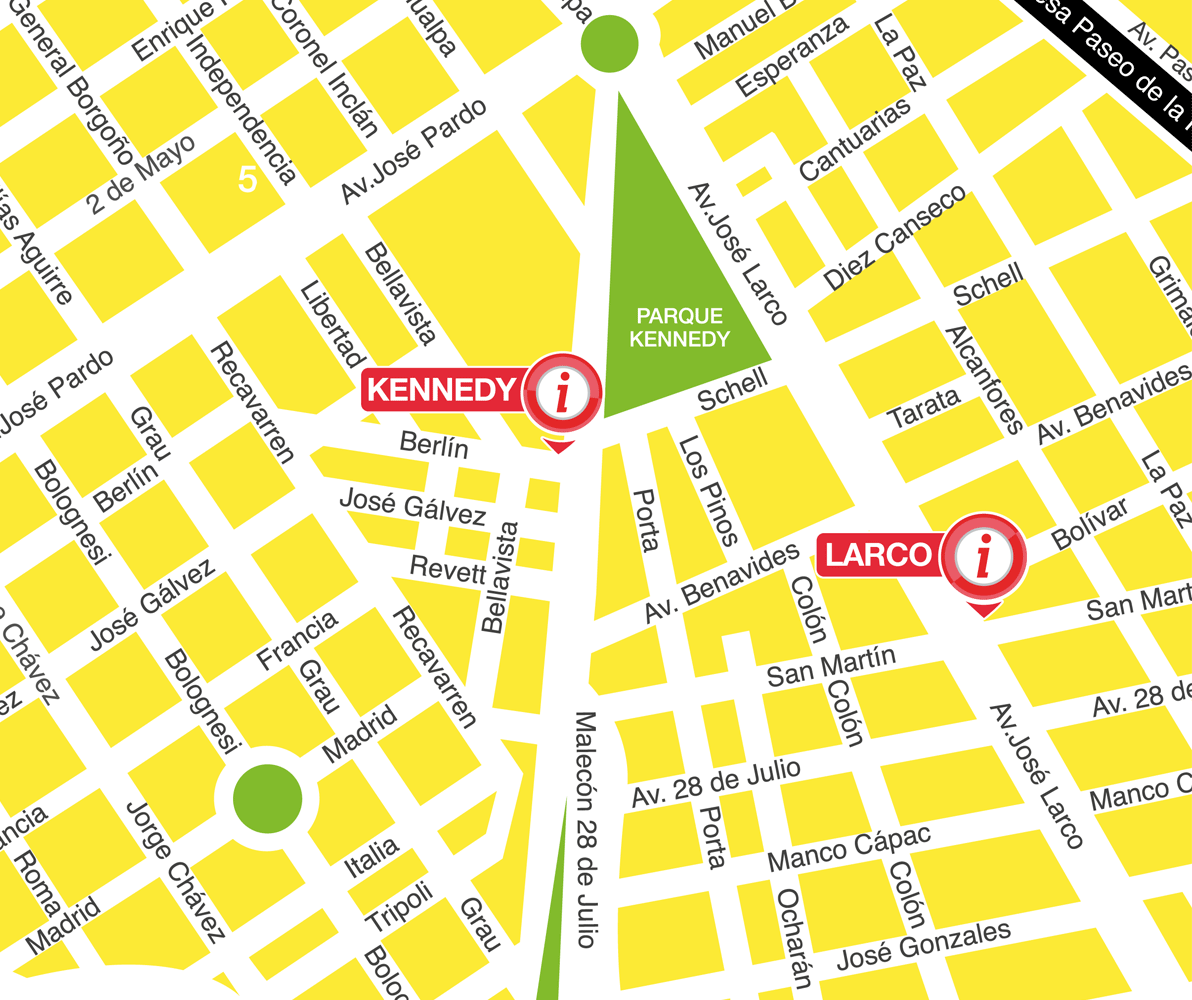
TOURS DEPART FROM BOTH TOURIST INFORMATION CENTERS
PLEASE MEET US 10 MINUTES BEFORE OUR DEPARTURE TIMES
We’re independent, licensed guides who conduct FREE Tours on a tips-only basis, thereby guaranteeing that you receive a tour of the highest quality. We'll never pressure you to tip; we believe that, if money is given, it should be voluntary and in direct proportion to the quality of the tour and the budget of the traveller.